Dead Sea Mineral Scalp Care
The hair care industry is undergoing a transformation. Long overshadowed by the aesthetics of the lengths, the scalp is now demanding much greater attention. This shift from a purely cosmetic approach to "skin-ification"—treating the scalp with the same rigor as facial skin—is redefining hair hygiene standards. According to data from the brand Ashtar, the specific "scalp care" category is experiencing strong growth across Europe and the Middle East.
At the heart of this trend, Dead Sea mud is making a notable comeback. Once confined to spas, it is now being integrated into targeted protocols. The bioavailability of specific minerals is highly sought after to help soothe inflammation, regulate flaking, and repair structural damage caused by modern chemical treatments.
Key Takeaways
- Industry growth: The European and Middle Eastern scalp care market is experiencing a sharp rise.
- Targeted mineral action: Magnesium, calcium, potassium, and bromide are associated with supporting keratin synthesis, helping restore the skin barrier, and soothing inflammation. These claims are partially based on studies of other body areas and remain to be specifically confirmed for the scalp.
- Professional protocols: In-salon applications range from detoxifying masks to purify the roots, to post-color treatments aimed at rebalancing pH levels.
- At-home methodology: A recommended approach involves targeted application before washing to optimize mineral action, a technique popularized by local brands.
Fluid Mechanics: How Four Minerals Repair the Follicle
The relevance of marine mud in hair care lies in its composition. This raw material is rich in magnesium, calcium, potassium, and bromide. This mineral quartet goes beyond surface cleaning; it forms the foundation of hair and scalp care by interacting with the cellular mechanisms of the scalp's epidermis.
Cellular Builders and Hydration Regulators
Each trace element addresses a specific need. Magnesium is thought to support the synthesis of keratin—the main structural protein of the hair fiber—and help regulate local inflammation, thereby strengthening the anchoring of the hair follicle. Calcium is believed to play a role in epidermal regeneration and promote the formation of a healthy skin barrier, which is essential for protecting the scalp from environmental stressors such as pollution, UV rays, and temperature fluctuations.
Studies and Limitations of Marine Extracts
Scientific literature on Dead Sea balneotherapy generally suggests that bodily application could help improve local blood circulation, reduce underlying inflammation, and support tissue repair in the context of rheumatic or dermatological conditions. Optimized blood flow could ensure better nutrition for the hair bulb, though this translation to scalp care remains theoretical.
It should be noted that these studies focus on bodily or joint conditions. Applying these findings to the scalp presents an intriguing clinical hypothesis, but one that still lacks large-scale clinical hair trials. Formulators are gradually incorporating these mineral matrices to treat weakened scalps, although specific validation for the scalp is still required.
From Spa to Salon: Professional Rebalancing Protocols
The integration of mineral mud into professional salons meets a growing technical demand. Dyeing, bleaching, and chemical straightening all alter the scalp's microbiome and change its pH. To counteract these effects, professionals have developed rebalancing protocols.
Pre-Shampoo Detoxification
The first protocol aims to treat scalp asphyxiation, often caused by a buildup of sebum, pollution, and styling product residue (silicones, polymers). In professional settings, mineral mud is applied as a detoxifying pre-shampoo mask. The processing time, carefully monitored between 10 and 15 minutes, allows the mud to absorb stubborn impurities while prepping the hair follicles before water even touches the fiber.
Managing Chemical Stress
The second protocol takes place immediately following a technical service. After coloring or an aggressive chemical treatment, a lighter-textured mineral mask is applied as a soothing treatment. Its purpose is twofold: rebalancing the pH of the scalp (often alkalized by ammonia or its derivatives) and helping to calm irritation induced by oxidation.
The impact of these mineral applications has been subject to indirect evaluation. General studies on thalassotherapy have noted a reduction in certain fatigue markers following full-body immersion. Translated to the scalp, this theoretical mechanism would promote tissue oxygenation to counteract the oxidative stress generated by salon services. However, this extrapolation has not yet been validated by any scalp-specific clinical trials.
The At-Home Approach: The Belgian Cosmetic Model
While salon protocols deliver results, maintaining a healthy microbiome requires a tailored routine. The European market is seeing the emergence of brands translating these professional standards into targeted products.
Targeting Complex Conditions
In Belgium, the brand Boddi illustrates this shift toward technical care. The company sells a Dead Sea mineral-formulated shampoo, designed specifically for scalps prone to conditions like psoriasis or eczema. Unlike traditional cosmetics that focus on making the lengths shine, this formulation prioritizes a purifying and soothing effect at the roots. It is, however, a cosmetic approach and does not replace medical treatment prescribed by a dermatologist.
A Specific Application Technique
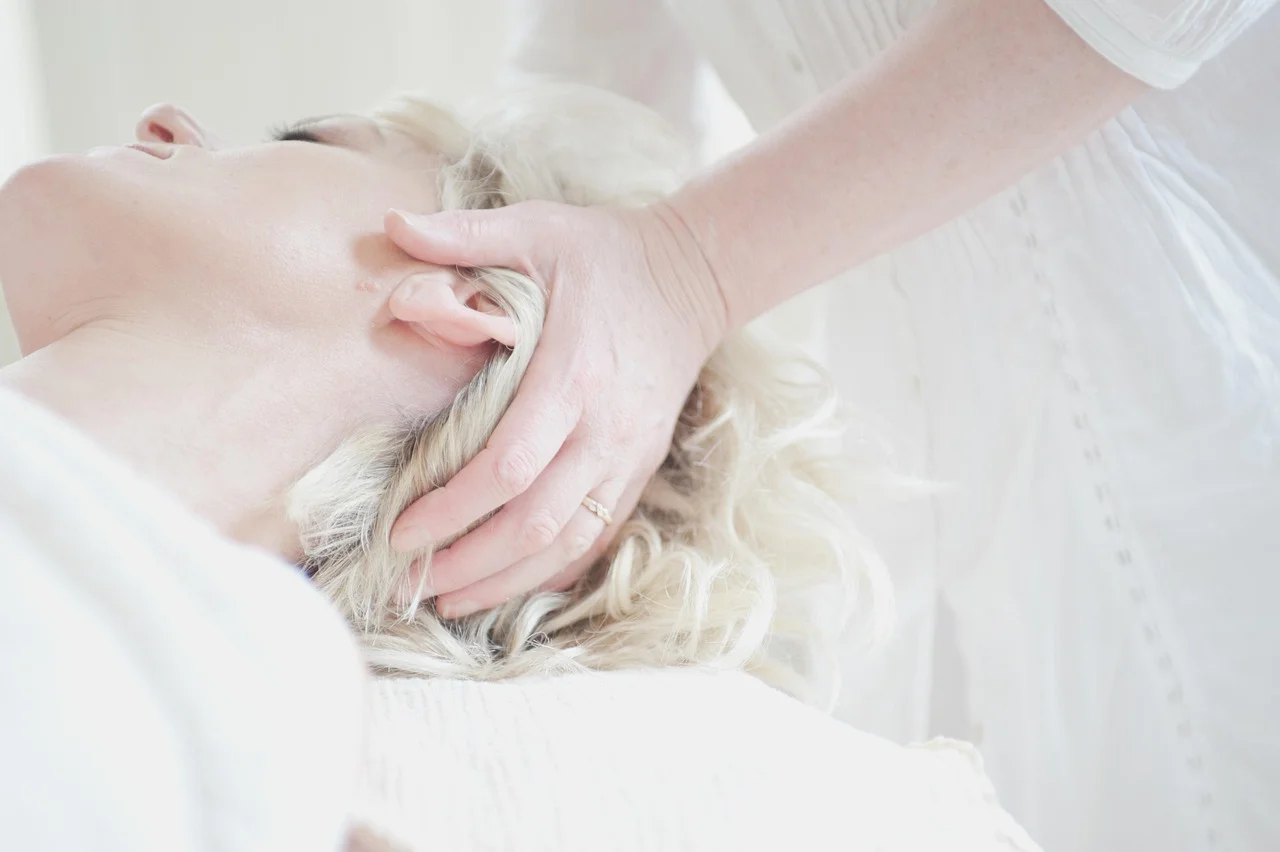
The effectiveness of these at-home products relies on an application method that differs from standard washing habits. It is advised to massage the product into sensitive areas of the scalp before a traditional wash. This application on dry skin allows the minerals to penetrate the compromised epidermis without being immediately diluted by shower water. Next, washing the lengths with a classic shampoo is recommended to prevent the hair fiber from drying out, thereby establishing a clear distinction between scalp care and hair cleansing.
Precautions and Balance
While mineral mud is highly purifying, it carries a risk of drying out the hair fiber if not thoroughly rinsed or if applied directly to the lengths. A patch test is recommended prior to use. Efficacy can vary depending on the individual and the severity of their inflammatory conditions. Furthermore, there is currently no clinical evidence demonstrating that these minerals have an impact on genetic hair loss.
Adapting the Mineral Protocol to Your Hair Profile
Care approaches can be structured by matching a specific physiological symptom (irritation, chemical damage, asphyxiation) with the mineral capable of treating it, all while adhering to the proper application format. Not all of these pairings have been the subject of independent clinical trials on the scalp. Potassium, for instance, is thought to maintain moisture balance and prevent both dryness and flaking. Bromide, on the other hand, reportedly helps soothe irritated skin, reducing redness and itchiness on the scalp.
Here is how to navigate these technical solutions:
| Target Symptom | Key Mineral | Recommended Format | Application Method |
|---|---|---|---|
| Irritation, redness, and flaking | Potassium and Bromide | Targeted shampoo | Soothing action at the root before wetting the hair fiber. |
| Asphyxiation from residue buildup | Magnesium | Pure mud detox mask | Purifies and preps the follicle at the start of a professional treatment. |
| Post-color chemical shock | Magnesium and Calcium | Lightweight mineral mask | Applied immediately after the technical service to rebalance pH. |
FAQ: Integrating Marine Minerals into Your Routine
What is the difference between a sea salt scrub and a mineral mud mask?
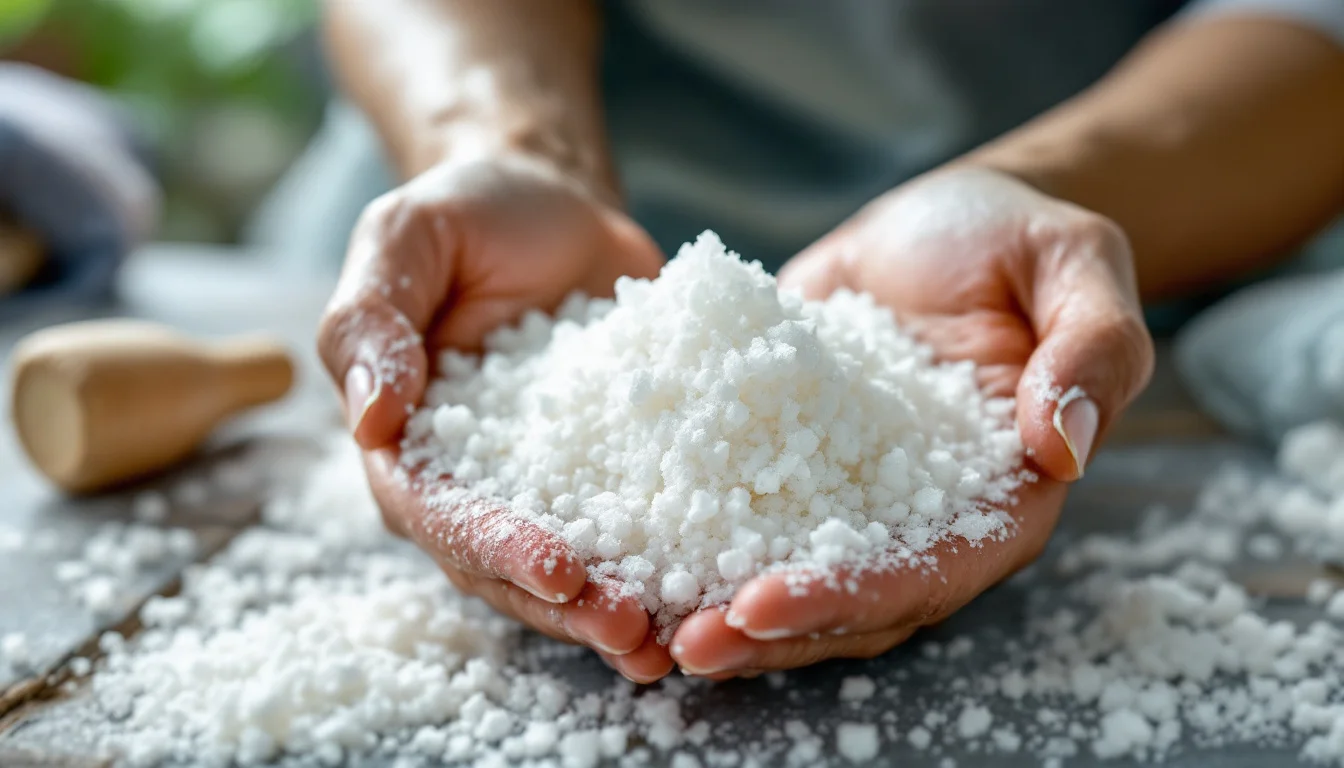
A salt scrub relies on mechanical friction: the crystals physically exfoliate the stratum corneum, which can cause micro-tears on an already compromised epidermis. Mud, conversely, works primarily through absorption. It draws out excess sebum and impurities without abrasive action, making it much more suitable for scalps suffering from inflammatory conditions.Is there a risk that mud will strip a recent hair color?
Due to its high absorption power, applying pure, raw mud is not recommended on color that is less than 48 hours old. However, using a lightweight mineral mask specifically formulated for post-chemical services actually helps seal the cuticles by rebalancing the pH, locking the pigments inside the hair fiber.How long does it take to see an effect on redness?
A soothing effect on itchiness can often be felt quite rapidly, thanks to the calming action of bromide on the skin. Nevertheless, to observe a lasting reduction in chronic redness and a true repair of the skin barrier, it is generally recommended to follow the treatment regularly for a complete cycle of epidermal cell renewal—a timeframe that varies significantly depending on age and the individual.Conclusion: A Geo-Specific Approach to Beauty
Rather than synthesizing isolated molecules, modern formulation is turning toward pure, geographical bio-resources. Harnessing these natural matrices allows hair cosmetology to draw inspiration from the planet's specific ecosystems to design truly soothing routines.