Dead Sea Mud: Protocols for Back Care
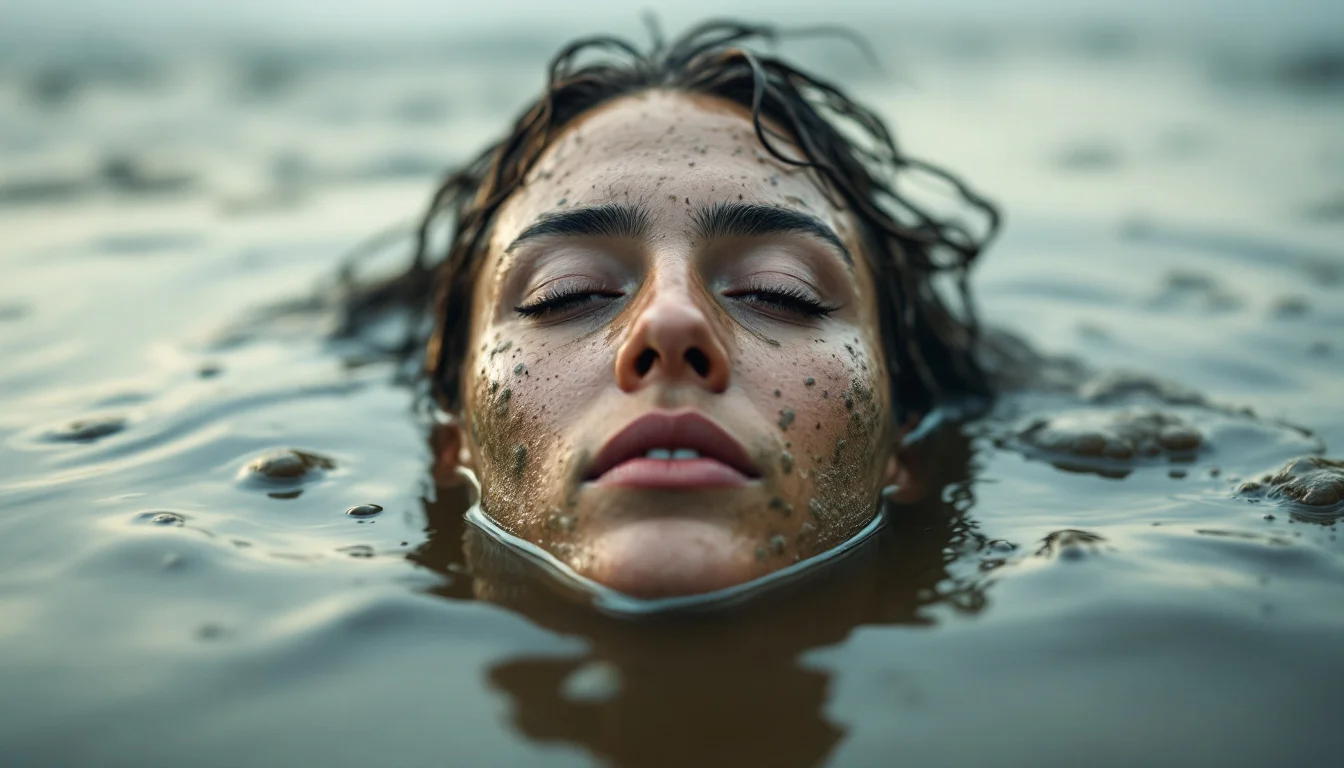
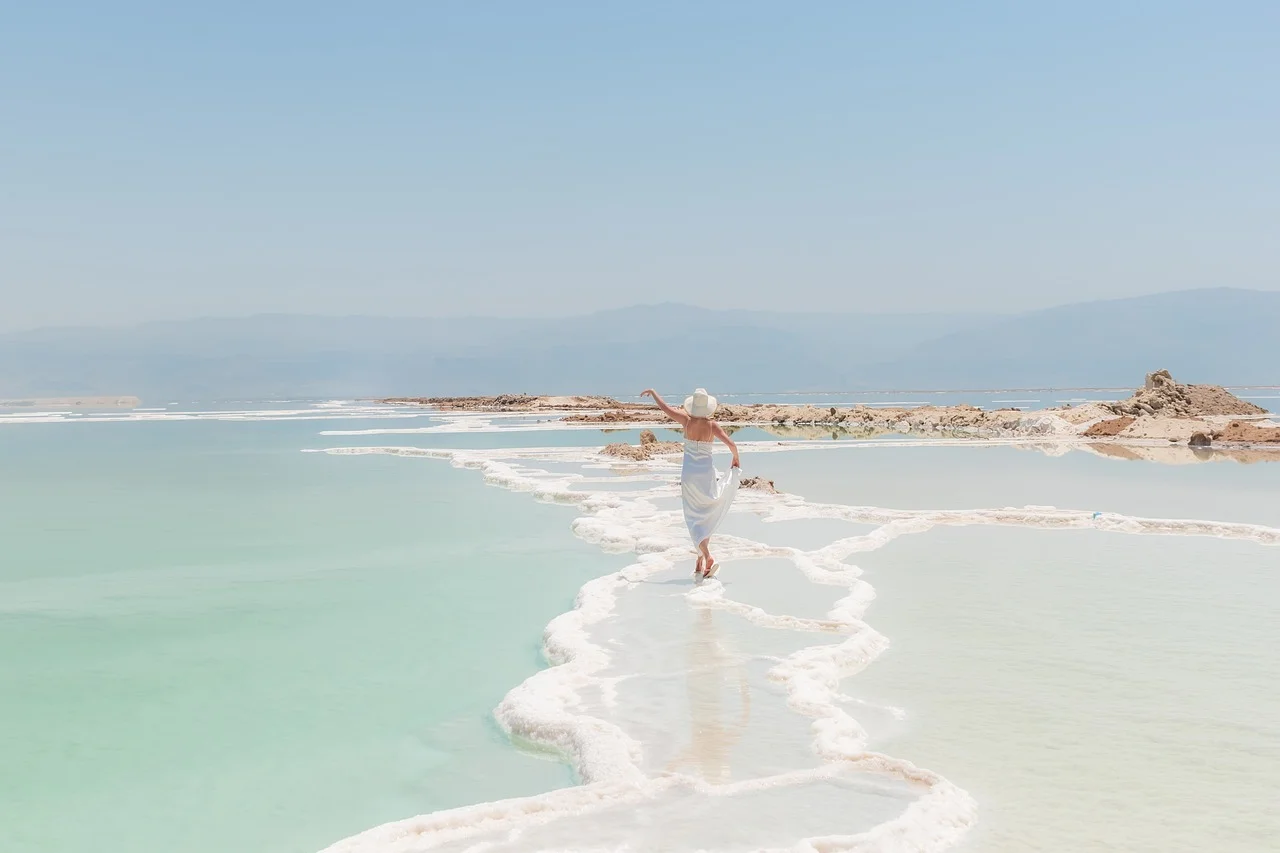
The Levant region is home to mineral resources that have historically attracted travelers seeking physical relief. At the heart of this tradition lies a unique substance whose use goes far beyond mere aesthetics. Historically, the practice falls into a specific field: balneotherapy. According to data documented by the specialized platform mud.cc, balneotherapy is formally defined as the clinical application of natural mineral waters, gases, and muds for therapeutic purposes. This discipline stands as one of the oldest medical practices in human history.
However, the mainstreaming of cosmetic products has gradually blurred the lines between authentic thermal treatments and at-home body care. Inspired by spa practices, applying a mud matrix over an area as large and heavily strained as the back often incorporates heat and occlusion, although the specific efficacy of at-home occlusion lacks rigorous clinical proof. Today, this ritual hovers between attempting to recreate a physiological reaction in one's own bathroom and planning a trip to the source to experience the treatment in its native environment.
Key Takeaways
- Thermodynamic principle: Its effectiveness on muscle spasms relies on the mud's ability to retain and transmit heat, thereby lowering physiological stress markers.
- Occlusion protocol: A true back wrap requires isolating the treated area to stimulate gentle sweating, going well beyond a simple surface application.
- Therapeutic travel: The clinical, in-situ experience in Israel maximizes the pain-relieving potential of this thermal sediment.
1. The Science of Minerals: Why Do Back Spasms Respond?
The enduring appeal of sediments from the lowest point on Earth is rooted in measurable biological mechanisms. The back comprises a vast muscular surface that is frequently subjected to postural tension.
Hormonal and analgesic response
The application of thermal sediments triggers internal reactions that go deeper than the skin layer. Clinical trials have reportedly shown that thermal mud treatments lower cortisol (the stress hormone) levels in the blood. Alongside this potential physiological decrease, other sources indicate that these therapies stimulate the release of beta-endorphins, acting as the body's natural painkillers. These claims have not been independently verified for this article: they should be viewed as indications rather than established medical conclusions.Heat mechanics and minerality
The primary driver of this relief remains temperature. A thermodynamic study demonstrates that the high thermal capacity of mineral clays stimulates blood circulation and relaxes muscle tissues. While water dissipates heat quickly, the dense structure of mud acts as a natural insulator. It slowly releases its thermal energy into the subcutaneous layers.This thermal process is inseparable from the sediment's chemical richness. As noted by the manufacturer Beresheet, Dead Sea mud is naturally rich in essential minerals, notably magnesium, calcium, potassium, sodium, bromine, and chlorine. The prolonged interaction between this saturated mineral matrix and the targeted increase in local body temperature is what effectively addresses back spasms.
2. Scrubs vs. At-Home Balneotherapy: Clearing Up Cosmetic Misconceptions
The incorporation of mud into modern beauty routines has spawned a persistent misconception: equating it with traditional mechanical exfoliants. Understanding its true nature is essential to avoid irritating the skin during body treatments.
Texture designed for smoothing
The saltandmud.com brand blog is explicit on this point: Dead Sea mud is not an exfoliating scrub in the traditional sense. It does not contain harsh grains meant to strip away dead cells through mechanical friction. However, its creamy, earthy texture can help the skin appear smoother after rinsing. This smoothing effect is achieved by absorbing impurities rather than through abrasion.When applying it to the entire body, a gentle approach is best. The recommended protocol describes the application as particularly soothing on elbows, knees, heels, and any areas that feel dry or uneven. Technically, the best practice is to massage the mud in gently. After removal, a lotion or oil should be applied to slightly damp skin to lock in moisture.
The distinction between clinical efficacy and shower masks
It is crucial to manage expectations based on how the product is applied. The Biopur laboratory highlights that scientific studies on Dead Sea waters and treatments have thoroughly documented the benefits of their mineral composition for skin barrier function, hydration, and certain inflammatory skin conditions. However, this clinical research must be strictly separated from the specific efficacy of a simple cosmetic mud mask used at home. A quick treatment applied for a few minutes in the shower will leave the skin feeling clean, but it cannot claim the same profound results on barrier function or inflammation as the thermal cures studied by science.3. The Back Wrap Protocol: Recreating the Spa Effect at Home
Faced with the myriad of instructions on the market, achieving an effective back treatment requires a structured method. This approach scientifically mimics the spa effect by resolving the apparent contradictions between various at-home application techniques.
Step 1: Thermal activation
The first rule of a successful application is preparing the material. The Ahava brand notes that its Dead Sea body mud can be heated prior to application for "maximum benefits." This step initiates the thermodynamic process before the mud even touches the skin. Safety, however, comes first: the manufacturer advises always testing the temperature before use to avoid burns, especially on the sensitive expanse of the back.Step 2: Choosing the timeframe and occlusion method
The core of the treatment lies in managing the application time, which dictates the level of expected results. There is a frequent conflict between the durations recommended by different brands, which this method clarifies based on your goal:- The express treatment (without occlusion): For a Dead Sea mud body care product, instructions typically advise applying the mud generously over the body while avoiding open wounds, leaving it on for 7 to 15 minutes, and then rinsing with warm water. This brief duration corresponds to an open-air application, which is sufficient for a surface-level smoothing effect.
- The deep treatment (with occlusion): To truly activate the back muscles, you must upgrade to a wrap. According to experts, wrapping involves applying the mud to the body or specific areas, then covering the skin so the minerals can be fully absorbed. During this process, the mud warms the skin and encourages a gentle sweat.
As part of a true wrap protocol, the mud remains on the skin for 15 to 30 minutes before being rinsed off with warm water. Using a body wrap film (or a heated blanket) justifies and enables this extended duration without the mud drying into painful cracks.
Comparing application approaches
At-home application durations
| Application method | Source | Application time | Intended goal |
|---|---|---|---|
| Express open-air treatment | Manufacturer instructions | 7 to 15 minutes | Skin smoothing, quick purification |
| Back wrap with occlusion | Specialists | 15 to 30 minutes | Muscle relaxation, mineral absorption |
Clinical cures
| Clinical method | Source documentation | Intended goal |
|---|---|---|
| Immersion balneotherapy | Clinical documentation | Cortisol reduction, beta-endorphin release |
4. Traveling to the Source: The Balneotherapy Experience
While the at-home thermodynamic protocol offers a great introduction to mineral benefits, the quest for complete clinical relief from bodily tension prompts many Belgian travelers to head straight to the source.
Swapping a bathroom back wrap for the unique climatic facilities found at the lowest point on Earth maximizes the thermal sediment's pain-relieving potential on muscle spasms. The concentrated air and dense waters provide an ideal setting for physical recovery.
Frequently Asked Questions (FAQ): Precautions and Uses
Can leftover back wrap mud be applied to the face to make the most of the product?
No, formulations differ based on the targeted areas. Because facial skin is significantly thinner and more reactive than the skin on your back, it requires specifically purified and treated sediments. For instance, the instructions on many Dead Sea mud body products clearly state they are for external body use only and are not intended for facial care.How can irritations or burns be avoided during a thermal treatment?
Safety is paramount when heat-activating the product. It is imperative to always test the mud's temperature on a small patch of skin before proceeding with a full application. This prevents accidental burns, especially across the large, sensitive expanse of the back.Is an open-air application enough to relieve muscle tension?
To deeply target back spasms, air-drying is not the recommended method. According to wrapping protocols, you should use an occlusion technique (such as a protective film) for 15 to 30 minutes. This maintains a constant skin temperature, prevents the mud from cracking painfully, and triggers the gentle sweating necessary for muscle relaxation.Conclusion: Physical Recovery
The evolution of balneotherapy highlights a fascinating convergence of ancestral healing rituals and modern demands for physical recovery. Turning to raw mineral elements provides a tangible alternative to purely synthetic solutions. While the profound efficacy of these treatments remains the hallmark of clinically supervised thermal protocols, travel infrastructure and at-home methodologies continue to adapt, making this geological heritage accessible to a society in perpetual search of thermal soothing.
--- The information contained in this article does not replace medical advice. Please consult your doctor or a qualified healthcare professional.