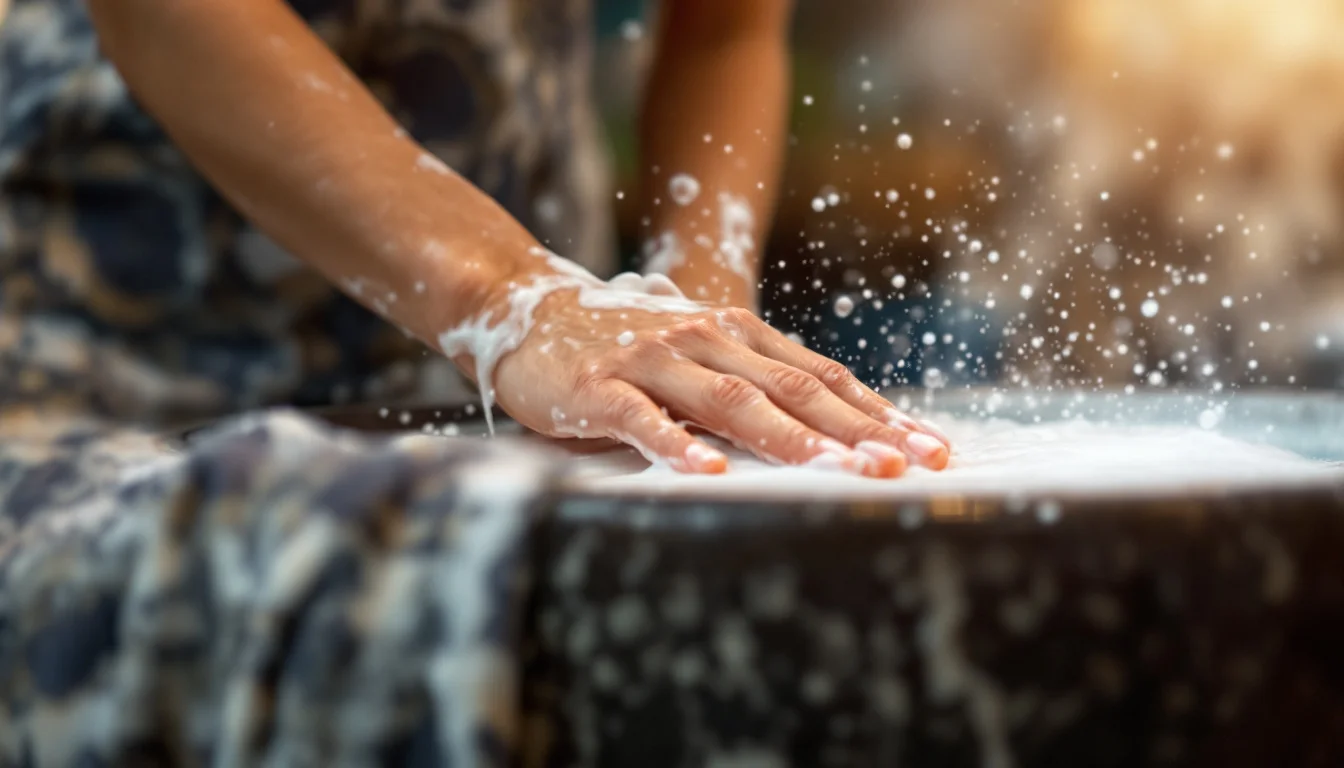
The Milk and Honey Bath Ritual in Ancient Near Eastern Beauty Traditions
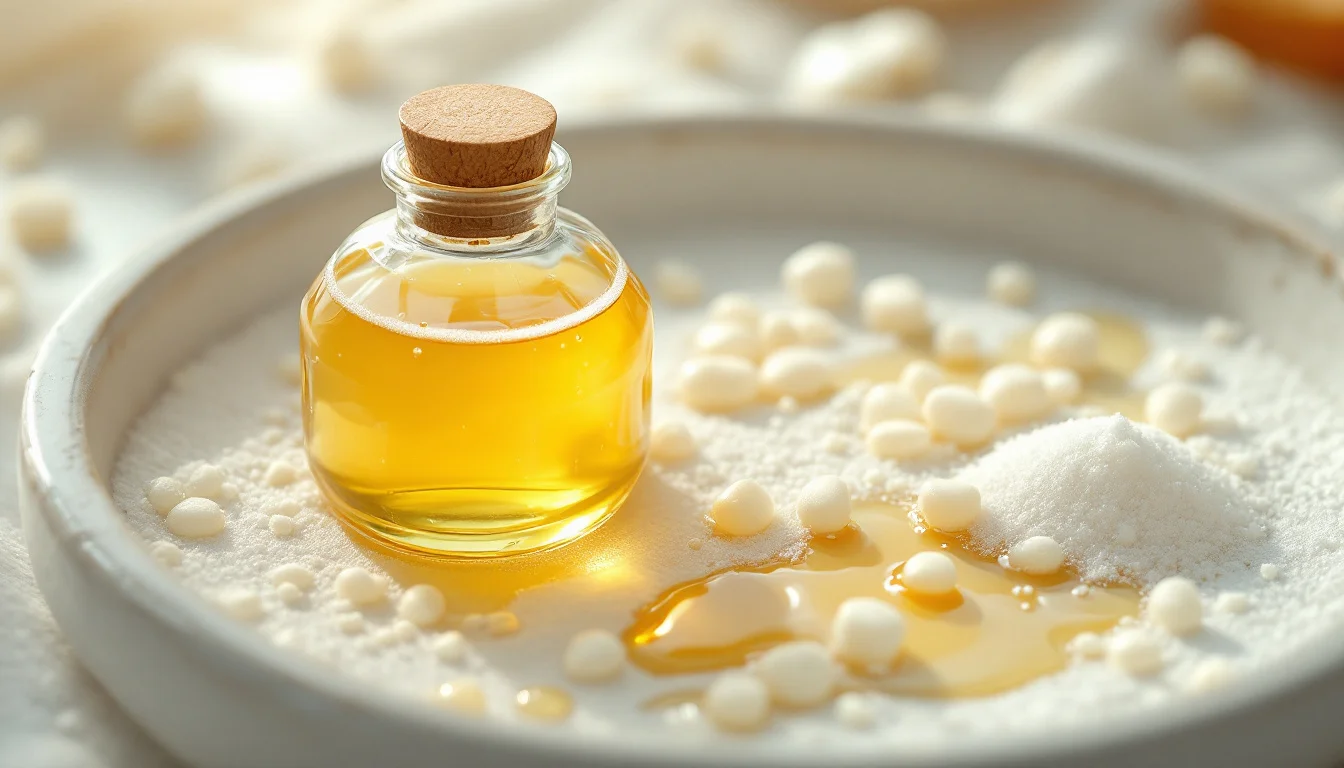
The image of the Egyptian queen lounging in a basin of pristine milk is a classic cliché in the history of beauty. While the reality of this ritual attributed to Cleopatra is largely rooted in legend, this bodily protocol, documented in antiquity, was an empirical precursor to cosmetic chemistry. Behind the apparent opulence lay an intuitive mastery of the skin barrier, unknowingly harnessing the properties of alpha-hydroxy acids (AHAs) and natural humectants.
The contemporary wellness and cosmetics industry continually capitalizes on this legacy. However, it often oversimplifies it in its marketing rhetoric, typically stripping the milk bath of its original acidic pH. By examining history through the lens of dermatology, an analysis of this ritual reveals a mechanism far removed from the watered-down recreations offered by today's spas.
Myth or Reality: What Was the Real Recipe for the Royal Bath?
The documentary reality of the milk bath is complex. Although popular imagery associates this ritual with Cleopatra, historians often view her daily milk bath as a legend that has been heavily embellished over the centuries. Popular sources also attribute this practice to Poppaea, the first-century Roman empress who purportedly bathed in donkey milk. According to recorded traditions, this luxurious bath specifically required sour donkey milk. This liquid base was then combined with honey, rose petals, and fragrant oils to enhance the overall appearance of the skin.
Moreover, the use of roses went beyond a simple infusion: in ancient Egypt, Greece, and Rome, these fragrant flowers were scattered in public baths, incorporated into cosmetics, and even finely ground to create anti-wrinkle masks. This extravagance was part of a comprehensive elitist routine. Figures like Nefertiti and Cleopatra also incorporated aloe vera—dubbed the "plant of immortality"—into their daily skincare for its soothing and hydrating effects, a plant similarly revered in Greece, Rome, India, China, and Aztec societies. Hair removal using sticky pastes was another potent status symbol: emerging in antiquity, this technique utilized preparations made from honey or other natural substances to leave the skin smooth before bathing rituals. Other ancient societies enriched these practices further: Greece, Egypt, and Persia used early saffron-based formulations for perfumes, skin treatments, and dyes, while henna served as a hair treatment and nail color across ancient Egypt, India, the Middle East, and North Africa.
The Safety of an Ancient Treatment Compared to Historical Toxins
This complex recipe stands in stark contrast to other cosmetic methods, notably those of the Renaissance, which often jeopardized the health of their users. Venetian Ceruse is a prime counter-example of such historical pitfalls. This lead-based white powder, imported from Italy, was commonly mixed with water and vinegar before being applied to the skin to whiten the complexion.
Its frequent use caused severe cases of lead poisoning, serious skin lesions, widespread hair loss, and could even lead to death. Unlike these toxic practices, the protocol using fermented milk and honey relied on physiologically better-tolerated materials. It should be noted, however, that applying raw or fermented milk to the skin is not without microbiological risks—a fact unknown at the time.
Why Sour Donkey Milk Rather Than Fresh Milk?
If the ancient ritual has endured through the centuries, it is because using deliberately soured milk naturally increased its concentration of keratolytic active ingredients. By utilizing a liquid in its fermentation phase, royal protocols were empirically applying a chemical exfoliation.
Lactic Acid as an Exfoliating Active
Modern dermatology now allows us to decode the exact mechanics of these natural fluids. Lactic acid—naturally present in milk, albeit in very low proportions compared to today's skincare—belongs to the alpha-hydroxy acid (AHA) family. In suitable and sufficiently concentrated formulations, this active ingredient works on the surface to gently exfoliate the skin, remove dead cells accumulated on the epidermis, and consequently promote cell turnover to reveal a smoother complexion.
Beyond lactic acid, the composition of milk helps hydrate the skin while supplying it with calcium, alongside an array of vitamins and minerals.
Humectant Power and Synergy
The second pillar of the original formulation ensured moisture integrity. Honey is recognized as one of the oldest skincare ingredients in history, renowned for its softening, smoothing, and revitalizing properties. Extremely rich in sugars, it acts as a humectant: it draws in and retains moisture in the epidermis.
The combination of these two elements creates a synergy. The targeted action of the milk's lactic acid, when paired with the softening properties of honey, proves highly capable of improving the skin's texture.
The Crucial Role of Lipids and Sediments
Furthermore, these rituals were part of a broader routine. Peoples of the Mediterranean basin used botanical oils (olive, castor, sesame) to rebuild the skin's protective barrier following exfoliation. To purify the tissues, clay masks and mud baths were also highly favored—practices utilized for over 5,000 years in Egypt, India, Greece, Rome, and Mesopotamia. The Egyptians specifically harvested clay from the Nile and the surrounding desert for its curative and regenerative virtues. More broadly, these sedimentary baths were considered an essential healing treatment for both body and mind, reputed to open pores, reduce inflammation, and act as a gentle exfoliant—beliefs recorded in ancient sources, rather than the results of clinical studies.
What Remains of the Ritual in Today's Spas?
The prestige associated with this treatment methodology has allowed the ritual to survive, spreading among the elite. History records that other royal figures, such as Empress Elisabeth of Wittelsbach (Sissi) in the 19th century, also took milk baths, demonstrating the enduring nature of this motif well beyond antiquity.
Contemporary Commercial Appropriation
Today, the modern beauty and spa industry continues to capitalize on this imagery. However, the galenic complexity that underpinned the historical ritual's efficacy is often smoothed over to meet the demands of a purely sensory experience or mass industrial production.
- The cosmetics brand Oriflame leans on these historical roots to promote its "Milk & Honey Gold" range, describing it as "prized by Egyptian royalty" and claiming it keeps the skin soft and pampered for up to 48 hours. These are the brand's marketing claims, not independently verifiable historical facts.
- Contemporary wellness centers frequently offer services dubbed the "Cleopatra Bath." The treatment is generally described devoid of any biochemical complexity, presented simply as a voluptuous milk and honey bath aimed at a clientele seeking relaxation.
These commercial appropriations speak to the power of the myth, all while omitting the fermentation process that provided the true exfoliating action.
Comparison Table: The Evolution of the Ritual
| Era / Practice | Ingredients / Documented Historical Facts | Promise / Mechanism of Action |
|---|---|---|
| Antiquity (Recorded Traditions: Egypt, Rome) | Sour donkey milk (pH acidified by fermentation), raw honey, botanical oils (castor, sesame, olive), rose petals | Chemical exfoliation via lactic acid, deep hydration, lipid barrier restoration |
| Later Eras | Fresh animal milk (traditions surrounding royal figures like Sissi) | Basic skin softening, exclusive social status symbol |
| Spas & Cosmetics (Today) | Standardized milk, synthetic fragrances (marketing claims) | Voluptuous experience, luxury selling point, superficial hydration without chemical exfoliation |
FAQ: Decoding Ancient Rituals in the Modern Era
Can a milk bath actually exfoliate, given its dilution?
Although sour milk naturally contains lactic acid, diluting it in a large volume of water (such as a bathtub) significantly drops the concentration of active ingredients. This dilution diminishes the efficacy of the lactic acid compared to applying a concentrated preparation directly to the skin, limiting the exfoliation to a very superficial action.What pH should be targeted to replicate the AHA effect?
For alpha-hydroxy acids (AHAs) to effectively dissolve the intercellular bonds of dead skin, a specifically acidic environment is required. Modern cosmetics generally formulate mass-market lactic acid exfoliants with a pH between 3.5 and 4.5. Simply soured milk lowered the pH empirically, but in a much less controlled manner than today's synthetic serums, which feature stabilized concentrations and pH levels.Conclusion: The Future of Heritage Ingredients
While dermocosmetics focuses massively on molecular bioengineering research, the study of ancient practices serves as a reminder that approaches combining exfoliation and hydration have been explored for ages. The pairing of a mild acid with a humectant agent remains a highly relevant mechanism for skin maintenance. The challenge of heritage-inspired topical formulation lies in safely integrating these empirical synergies, replacing the haphazard fermentation of the past with stable, controlled active ingredients.