Saffron Skincare: Inside a Persian Beauty Heritage
Why is saffron so highly prized in beauty rituals?
For millennia, saffron has been dubbed "red gold" in Persian culture—an evocative title reflecting both its botanical rarity and its deeply rooted status in ancestral traditions. According to accounts documented by the brand Essence of Persia, this ingredient was historically prized by queens and nobles of ancient Persia.
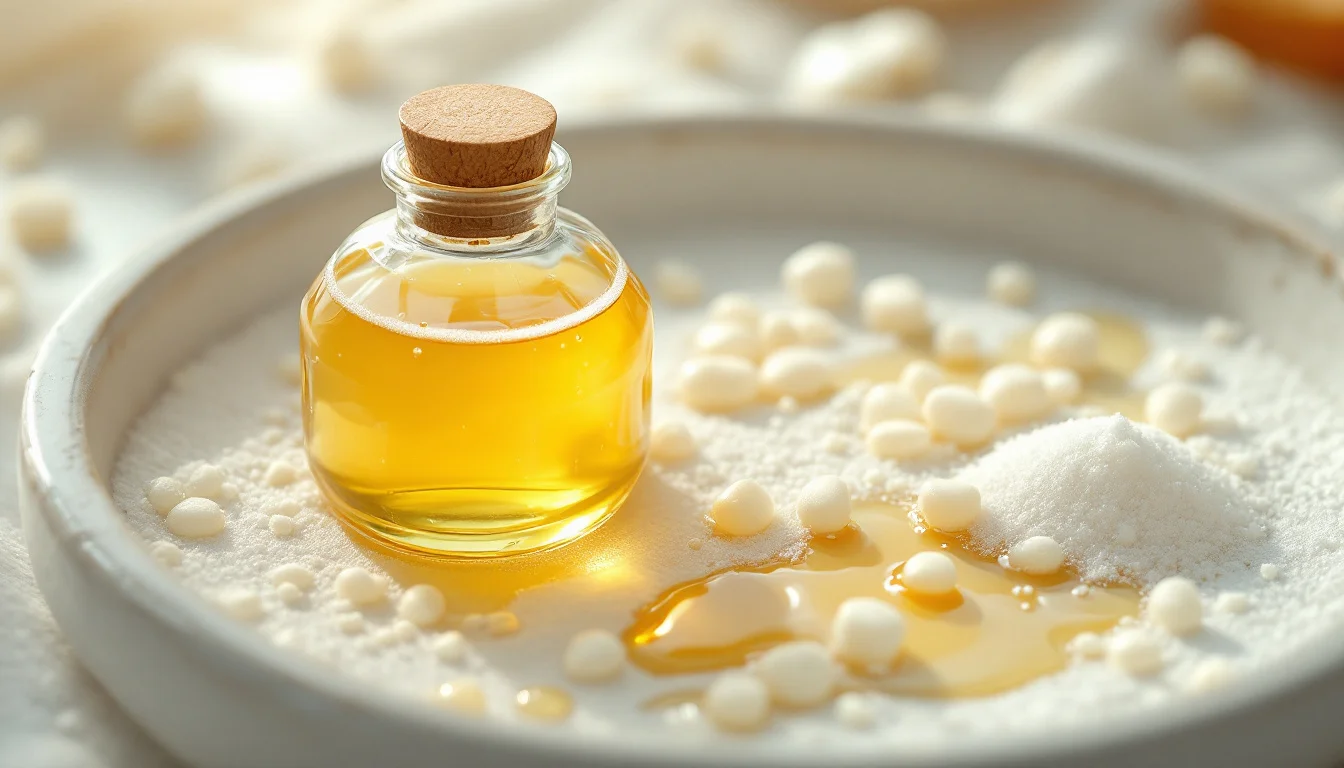
These figures infused it in oil, using it as an elixir to preserve their youth. Today, the global cosmetics industry incorporates this prized ingredient into specialized skincare lines.
For many traditional skincare enthusiasts, infusing the pistils at home offers an alternative to off-the-shelf products. This journey into the heart of Persian and Kashmiri traditions invites us to reconsider the act of applying a product as a genuine moment of mindful self-care.
Key takeaways
- According to brand-documented traditions, the legacy of ancient Persia established saffron-infused oil as a favored skincare treatment among queens and the nobility.
- Saffron's cosmetic potential is linked to several natural compounds, including crocin, picrocrocin, and safranal; crocin and crocetin are carotenoids, while safranal is the spice's primary aromatic compound.
- Commercial formulations offer standardized and stabilized active ingredients, whereas DIY masks skip certain preservatives but require careful hygiene and precise dosing.
- Preparing a traditional mask absolutely requires testing the threads for purity to avoid applying synthetic dyes directly to the skin.
What chemical compounds explain saffron's appeal in cosmetics?
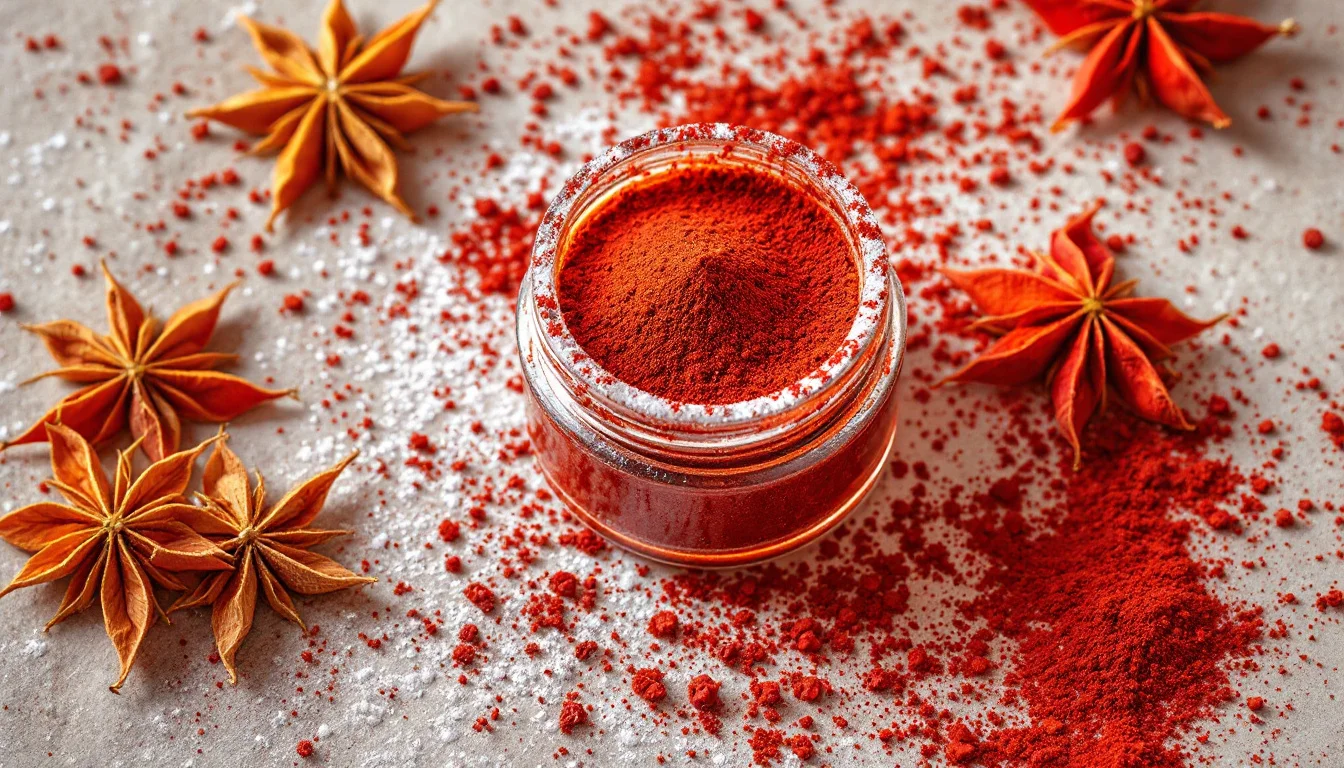
The industry's interest in this ancestral ingredient is driven by more than just its historical aura; it stems from a highly specific chemical composition. Saffron's hallmark properties come from three natural compounds: crocin, picrocrocin, and safranal. Crocin is responsible for its yellow-orange pigment, picrocrocin for its bitterness, and safranal for its distinctive aroma. These compounds form the foundation of the spice's antioxidant reputation, although the link between topical application and skin benefits is currently based more on traditional use and preliminary studies than on established clinical trials.
Certain brands heavily highlight crocin and crocetin, two carotenoids touted for their skin-enhancing benefits. According to their marketing, these molecules work to revive the complexion's radiance and help protect epidermal cells against oxidative stress.
Engineering at the service of botanicals
To successfully capture these delicate compounds, companies deploy rigorous processes. The flower's pistils undergo specific treatments: first, they are meticulously dried, then subjected to repeated extractions over a process spanning six months.
The saffron oil used in certain creams, for example, is billed as ethically sourced and produced in small batches in Morocco. There, the crimson crocus pistils are hand-harvested during a narrow, two-month annual window. This artisanal method is carried out on a small scale to preserve the plant's full spectrum of properties.
How do you choose between a lab-formulated treatment and a traditional DIY mask?
Integrating saffron extracts into a finished product often presents a technical challenge for formulators. The development of one such treatment, for instance, required testing no fewer than 300 creams on the market and working through 15 successive iterations before achieving the desired texture.
Some manufacturers note that they spent a year researching saffron oil, followed by two years sourcing additional ingredients and perfecting the formula in a local beauty lab. This highly formulated approach ensures both standardized active ingredients and the bacteriological safety of the skincare product.
Reconnecting through traditional care
Conversely, other industry players champion a more artisanal approach. The brand Rûh Essentials promotes the concept of a nourishing "ritual" to help individuals reconnect with their senses and their bodies. This philosophy inspired the creation of their specialized skincare kit, which relies on slower, more deliberate application methods.
What are the steps for making a DIY saffron treatment?
For those who prefer hands-on methods, the traditional Kashmiri saffron mask recipe, as documented by Kasmirana, relies on a highly precise home methodology. The infusion process is central to activating the flower's properties.
The steps for home preparation
To authentically recreate this treatment, the protocol follows a strict sequence:
- Liquid infusion: Place a few saffron threads in a tablespoon of warm milk or rose water.
- Color activation: Let the mixture steep for ten to fifteen minutes until it develops a deep amber hue, signaling that the active compounds have been released.
- Creating the paste: Mix this tinted liquid into a natural base (raw honey, yogurt, or sandalwood powder) to form a smooth paste.
- Application: Apply the mask evenly over perfectly cleansed skin and leave it on for about fifteen minutes.
- Rinsing: Gently remove the treatment by rinsing with lukewarm water.
Precautions for use
It is crucial to use only a few threads per application and to always steep them beforehand. Prior to applying it to your face—especially if you have sensitive skin—it is recommended to patch-test the mixture on your inner wrist. This targeted treatment should be used sparingly, about one to two times a week.
How can you identify pure saffron using the cold water test?
Saffron's luxury status makes it one of the most frequently counterfeited spices. Using fake pistils poses a real risk in DIY cosmetics. Adulterated saffron often consists of threads weighed down with dyed corn silk, safflower, or even synthetic colorants.
These counterfeits lack the natural compounds found in the genuine crocus. There is a tangible risk of irritation: certain chemical additives used to fake the spice are not meant for skin contact and can trigger inflammatory skin reactions.
The visual and liquid authentication protocol
To guarantee product purity, a careful examination is essential before mixing. Real saffron can first be identified by its physical appearance: it features dark crimson threads with a distinct, slightly flared trumpet shape at the tips. Furthermore, it emits a distinctive aroma even before steeping.
The cold water test serves as a useful traditional indicator. When submerged in cold water, genuine pistils react in a very specific way: the water gradually turns a saffron yellow. Conversely, if the liquid immediately turns red upon contact, it indicates the rapid dissolution of synthetic dyes. While some sophisticated fakes might bypass this test, observing how the threads behave in water remains a solid precaution to ensure your homemade treatment won't irritate your skin.
In what order should you apply skincare containing saffron extracts?
For those who opt for commercial formulations containing pure extracts rather than whipping up homemade masks, the order of application is key. The mechanics of layering cosmetic textures directly influence how the ingredients act on the face.
The thinnest-to-thickest rule
The general rule of thumb is to systematically apply products from thinnest to thickest. Depending on its fatty acid composition, saffron oil has a structure that can form a protective film on the surface of the epidermis.
Because it helps lock in moisture, it is generally recommended to apply it after water-based serums and moisturizers have fully absorbed. Some brands recommend using a pea-sized amount of their saffron cream morning and night on the face and delicate eye contour; visible improvements in radiance are sometimes claimed after six weeks of daily use. To streamline your routine, saffron oil can also be mixed directly into a night cream in the palm of your hand before application.
Frequently Asked Questions: What should you know about using saffron in cosmetics?
Why is the ritual of combining saffron and milk traditionally linked to brides? In Kashmir, prepping the skin before a wedding holds paramount cultural importance. In many families, brides are still treated with a saffron and milk paste before the ceremony. This custom is part of pre-wedding rituals specifically designed to make the skin glow, with the recipe carefully passed down from mother to daughter across generations.
Is a DIY saffron mask suitable for highly reactive or sensitive skin? Although naturally derived, preparing saffron in a homemade mask involves somewhat unpredictable dosing of its active compounds. For sensitive skin, using lab-formulated cosmetics—rigorously tested and designed to minimize allergic risks—is a safer option. If you do opt for the DIY approach, you must perform a patch test on your inner wrist at least 24 to 48 hours before considering a facial application.