The Art of Touch in the Traditional Hammam
In the contemporary Western imagination, the hammam is often reduced to a simple steam room followed by a classic oil massage on a treatment table. This view obscures the true nature of this age-old ritual. Far from a passive beauty treatment, the traditional bath is a rigorous choreography where every element of the physical space actively participates in the healing process.
Key Takeaways
- The hammam is a holistic system combining water, steam, and plant-based textures.
- The protocol follows key stages, ranging from thermal acclimation to exfoliation and saponification.
- Its architecture is inspired by ancient thermal baths, whose legacy was passed down and adapted by various subsequent cultures.
- Practices vary geographically, balancing between the structured Turkish protocol and the community-oriented Maghrebi approach.
An Ancestral Choreography
The traditional hammam operates as a holistic system. Even before the practitioner's manual intervention, the building itself prepares both skin and spirit. The experience relies on a codified succession of tactile and thermal stages:
- Acclimation through ambient heat
- Vigorous mechanical exfoliation
- Deep cleansing via saponification
- Relaxation through a specific foam massage technique
What are the historical and spiritual origins of the hammam?
The history of the hammam illustrates the meeting point between civil engineering infrastructure and religious practice. The evolution of these spaces reflects growing architectural sophistication, designed to maximize the benefits of water and heat on the human body.
The Contribution of Islamic Culture
Islamic culture profoundly enriched the hammam tradition during the rise of Islam in the 7th century. Beyond simple physical cleanliness, this culture integrated the major ritual purification (ghusl). The hammam thus became a sacred space, marking a significant transition: bodily care was now rooted in a spiritual approach, serving as preparation for prayer and community life.
Ottoman-Era Engineering
Centuries later, thermal engineering and architecture underwent major developments. During the Ottoman era, renowned architects like Mimar Sinan designed vast bathhouse complexes. These structures featured marble interiors, ornate tilework, and advanced systems of heating galleries beneath the floors. This architectural evolution—with its underfloor heating and moisture-retaining vaulted ceilings—created the ambient conditions necessary to transform heat into a genuine therapeutic tool.
How does the physical space prepare the body for treatment?
The hammam protocol relies on a progressive, controlled progression through various heat zones, which replaces manual labor during the first stage of the treatment. This spatial structure guides the body from a phase of passive preparation toward the practitioner's active intervention.
The Legacy of Antiquity
The hammam draws its functional origins from the public baths of Antiquity. Roman baths (thermae) provide a foundational structural model for this practice, with their classic sequence of rooms:
- The warm rooms (tepidarium)
- The hot rooms (caldarium)
- The cold rooms (frigidarium)
How does the warming phase (hararet) unfold?
In the traditional ritual, this initial warming phase is known as hararet. The visitor first relaxes in a hot, humid room, lying down on a heated central marble platform called the göbek taşı. This stone radiates heat directly into the muscles of the back and limbs.
This immersion in humid heat triggers a series of physiological reactions essential for the rest of the protocol. The room's temperature induces heavy sweating, opens the skin's pores, helps expel accumulated impurities, and progressively eases muscular tension. The physical space thus accomplishes the preparatory work typically requiring a lengthy manual massage.
What are the stages of the traditional treatment (kese, black soap, foam)?
Once the thermal environment has softened the body, the active phase of the treatment begins. Here, the traditional protocol departs radically from Western practices based on pure oil friction. Instead, it favors a three-step method combining mechanical friction with cleansing using saponified fats.
Exfoliation with the kese
The practitioner's first intervention involves removing dead skin cells loosened by the heat. After rinsing the body, the professional performs a full exfoliation. This step is carried out with a kese, a traditional textured mitt. Handled with firm, elongated strokes and moderate pressure, this coarse fabric lifts impurities from the skin's surface while simultaneously stimulating blood microcirculation.
The Application of Olive Oil Black Soap
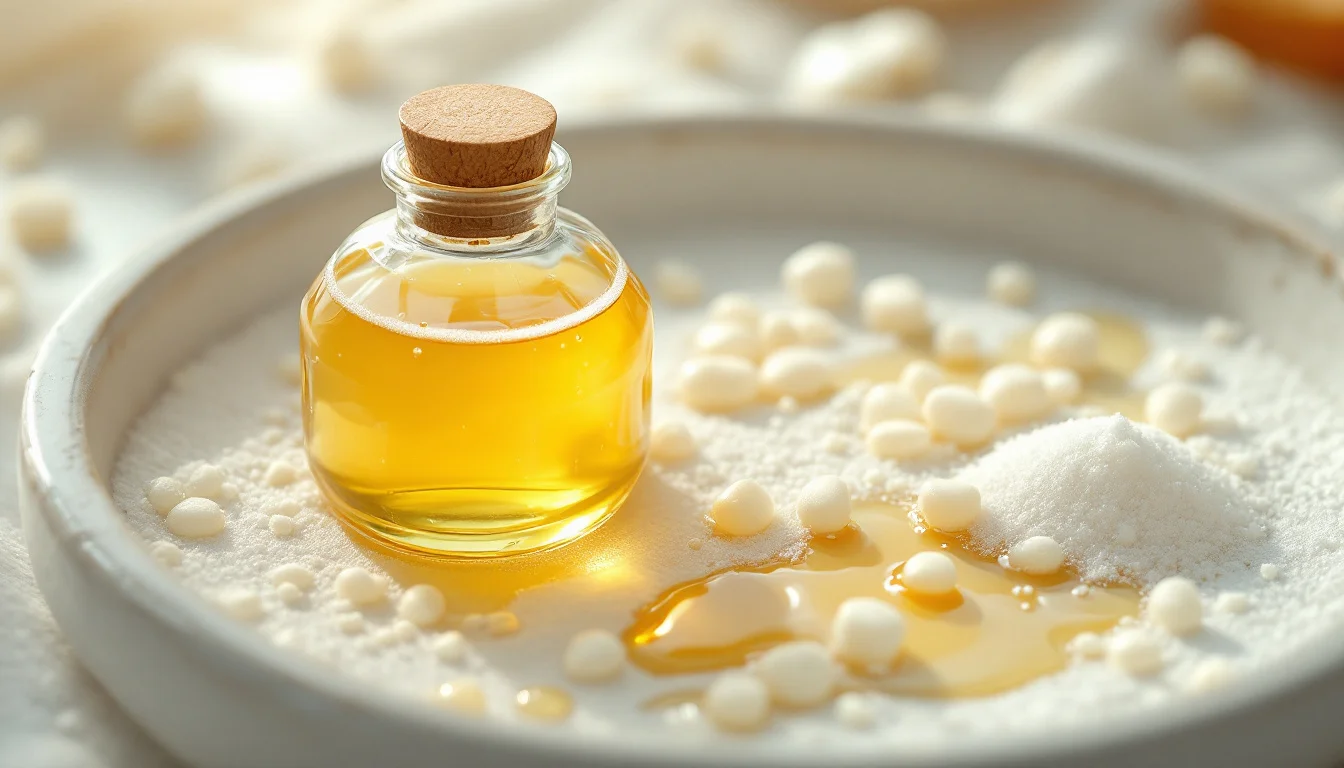
The second act often corrects the misconception of a classic hydrating massage. Rather than applying a liquid massage oil, the practitioner uses a botanical paste. Following exfoliation, they coat the entire body in a black soap made from vegetable oils, such as olive oil or other regional essences. This specific product is designed to deeply nourish the skin and lock in its natural moisture, working on an epidermis that the heat has softened and rendered more receptive to lipids.
The Foam Massage
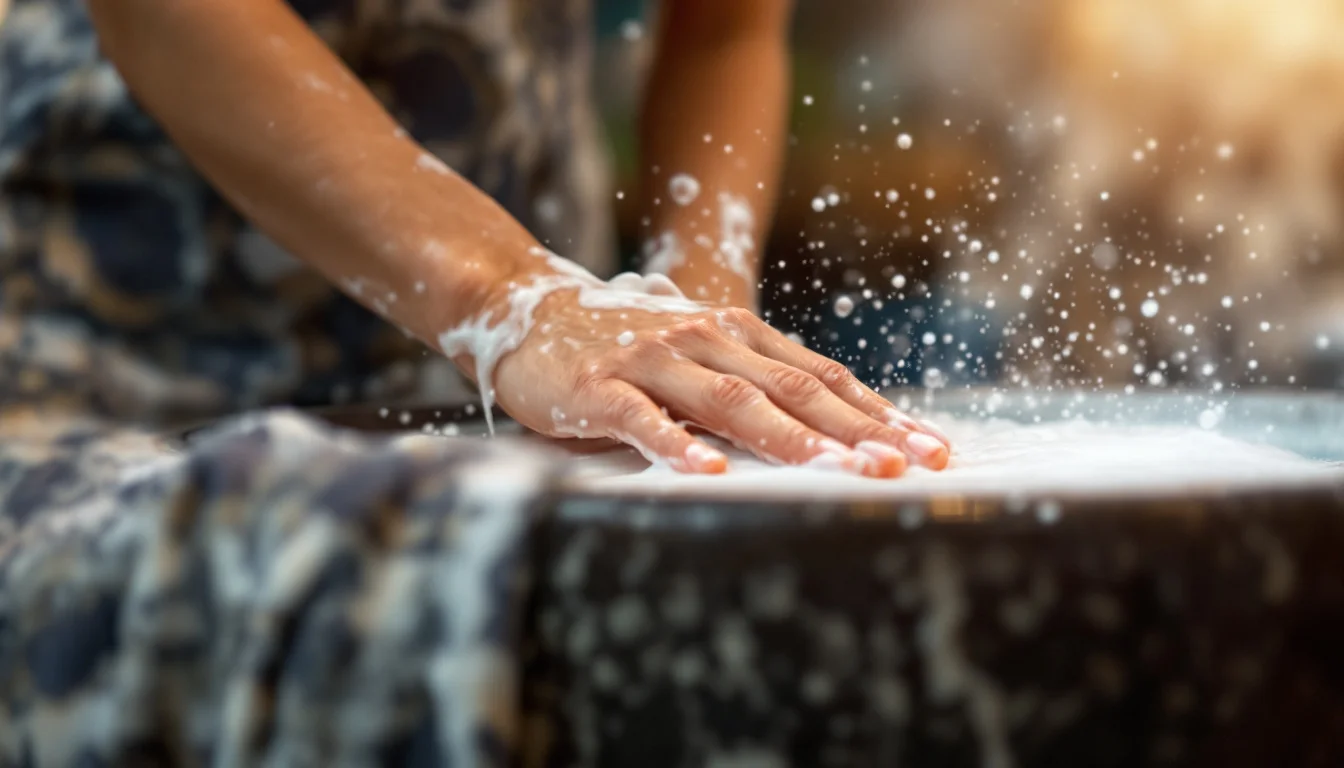
The final envelopment and friction form a highly distinctive stage of the traditional ritual. The foam massage occurs immediately after the black soap is applied and rinsed off.
- The practitioner generates a rich, copious lather using a specific cloth soaked in soapy water.
- This voluminous foam is squeezed over the entire body, creating a slippery cushion.
- The professional delicately massages the body through this airy layer.
Turkish vs. Maghrebi Hammam: What are the differences?
Although the thermal foundation remains consistent across the Mediterranean basin, the approach to touch, layout, and atmosphere varies by geography. Two distinct poles emerge in the physical expression of this purification ritual.
The Turkish Model and its Structured Approach
In Turkey, the Turkish bath (hamam) has evolved into a formal, luxurious experience. These spaces are characterized by marble interiors (a legacy of the Ottoman architecture described earlier) and highly structured massage and scrubbing rituals. The treatment is often orchestrated with symmetrical precision, reflecting an imperial architectural heritage where the physical layout actively contributes to the sensation of purity.
The Maghrebi Model's Approach
Conversely, the approach observed in North Africa favors grounding and fluidity. The Moroccan hammam stands out with its colorful decor, warm lighting, and a strong aromatic atmosphere enriched by essential oils and herbal infusions. The pace is unhurried, leaving ample room for a spontaneous social dimension.
More broadly across the Maghreb, these hammams are accessible public spaces built with robust, earthy materials. They function primarily as hubs that foster social interaction and community cohesion, where the raw aesthetic supports the authenticity of human connection.
What is the symbolic dimension of the hammam?
Beyond its dermatological and muscular benefits, touch within the walls of the hammam carries a strong psychological weight. Washing and being washed in this environment is as much an intangible act as it is a physical one.
Marking Life's Milestones
The physical desquamation process finds its echo in a form of symbolic cleansing. Bathing in a communal setting was traditionally viewed as a physical and spiritual renewal. This rebirth through heat and water was not left to chance: it was often timed to coincide with major religious holidays or significant life events, allowing individuals to honor personal transitions.
Frequently Asked Questions (FAQ) About Hammam Practices
What authentic utensils and ingredients are used for the treatment?
To maintain the ritual's thermal and aromatic efficacy, specific materials are employed. Key tools include the kese (exfoliating mitt), wooden or marble basins designed to maintain water temperature, olive oil soap, and botanicals (rosemary, thyme, and eucalyptus) that are infused directly into the water or diffused through the steam.How is privacy managed in traditional hammams?
Although hammams have often served as relatively accessible public spaces—despite the existence of private establishments for the elite and entry fees that excluded the poorest—the ritual respects strict rules of modesty. Separate areas or distinct operating hours for men and women have always guaranteed the privacy needed to undergo full treatments comfortably.The Contemporary Hammam: An Alliance of Technology and Tradition
The evolution of the bathing ritual proves its ability to span eras without losing its primary purpose. Today, contemporary spas adapt the hammam by blending traditional methods with modern technology, integrating steam generators, precision-controlled temperature rooms, and full-body massages using natural exfoliants and essential oils. This hybridization highlights a clear dynamic: while modern technological installations precisely manage the body's thermal preparation, the heart of the treatment still relies on the practitioner's hands, safeguarding the enduring power of manual touch.