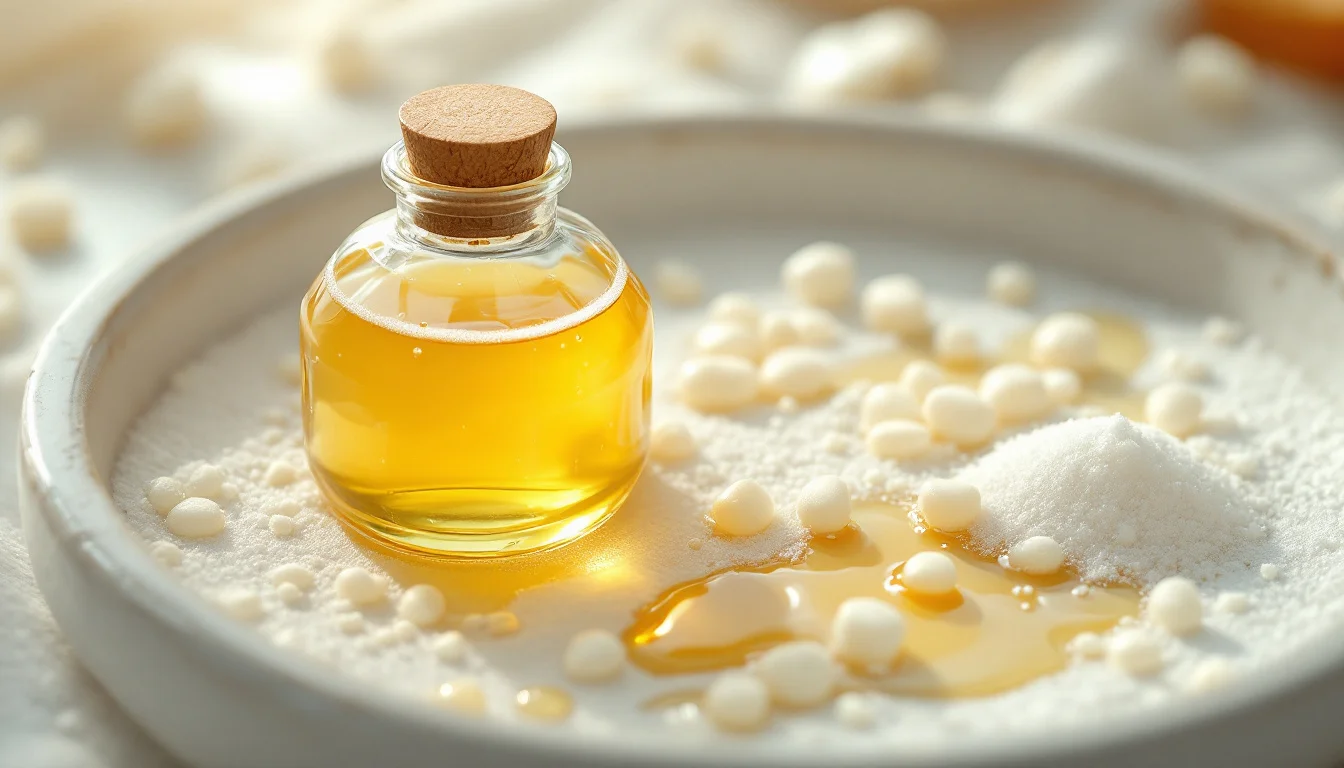
The Dead Sea Mud Mask Ritual
Applying a Dead Sea mud mask is, above all, a genuine moment of self-care, a far cry from rushed, mechanical skincare routines. This dedicated pause, thoughtfully incorporated into a weekly regimen, requires a precise and mindful approach. It’s about understanding your skin's unique needs and following a specific sequence of steps. From prepping the skin to strictly timing the application, every stage influences the treatment's efficacy while protecting the integrity of your skin barrier.
Key takeaways:
- Always perform a patch test before your first use.
- Apply the mask in a thin layer using a clean brush.
- Leave the mask on for no more than 10 to 15 minutes.
- Remove the mud with lukewarm water by gently massaging it off, then moisturize your skin immediately.
How to Choose Your Dead Sea Mud and Prep Your Skin
Even before you begin applying, selecting the right product dictates the quality of your results. A top-tier mask relies on a flawless formulation: pure Dead Sea mud must be the primary ingredient. To maintain the skin's natural balance, look for a formula free from parabens and artificial fragrances, as the latter can cause irritation when trapped under a mask. It is also wise to choose a reputable brand that provides clear, transparent information about the product's exact geographical origins.
Why Must Your Skin Be Perfectly Clean and Dry?
The mask must always be applied to a clean and dry face. This requirement serves a very specific purpose:
- Cleansing: This removes the sebum, pollution residue, and makeup that block access to your pores.
- Complete drying: Any residual moisture can dilute the product and limit the minerals' contact with the skin.
Which Tools Should You Use to Apply a Mud Mask?
Transitioning from a rushed beauty routine to a genuine spa-like treatment often means abandoning finger application. Using a clean brush is highly recommended to maintain the overall hygiene of the product and ensure a precise application.
Why Avoid Applying the Mask With Your Fingers?
Dipping your fingers directly into a jar inevitably introduces bacteria, dead skin cells, and sebum into the product. With pure mineral mud, this external contamination can alter the formula. Using a flat brush with soft synthetic bristles acts as a safeguard, ensuring the product remains pristine from one session to the next.
Should You Apply a Thick Layer of Mud?
Using a brush helps correct one of the most common mistakes: over-application. A thin layer of mud is more than enough. Only the part of the product in direct contact with your skin actually interacts with it.
Piling on the mud doesn't increase its benefits. It only wastes product, weighs down your face, and needlessly prolongs the drying time. A brush allows you to sweep the product across your skin to achieve a thin, even, and opaque film.
Which Facial Areas to Target and Which to Avoid
Distributing the mask across your face follows a specific map. The brushwork typically begins on the T-zone (forehead, nose, and chin), where the concentration of sebaceous glands is highest, before gently extending outward toward the cheeks and jawline.
Which Areas Should You Absolutely Avoid?
Certain areas must be systematically bypassed. You should strictly avoid the delicate skin around the eyes and lips during application:
- The eye contour: The skin here is exceptionally thin and sensitive to the effects of a purifying mud.
- The lip contour: Highly vascularized and prone to rapid dehydration, the lips and their immediate surroundings risk severe tightness if mud is allowed to dry there.
How Long Should You Leave a Mud Mask On, and How Do You Remove It?
Once the application is complete, time management becomes the key factor. The ideal processing time is 10 to 15 minutes. It is crucial not to exceed this duration. Letting the mud dry until it cracks and crumbles is generally discouraged; removing it sooner prevents tight sensations and preserves your skin's comfort.
How to Gently Rinse Off the Mask
When the allotted time is up, never remove the mask with dry scrubbing. The product should be rinsed off with lukewarm water in a step-by-step process:
- Dampening: Lightly splash your face with lukewarm water to soften the layer of mud.
- Manual activation: Once the texture becomes pliable again, a gentle massage of the mask over your skin helps lift the product for a smooth rinse without aggressively stripping the epidermis.
- Final rinse: Wash away all remaining residue with plenty of water (always lukewarm, as water that is too hot can cause redness).
How Often Should You Use a Mud Mask Based on Your Skin Type?
Your usage frequency should be tailored to your skin type. Applying the mask 1 to 2 times per week is generally recommended. It is vital to avoid overusing it, particularly on sensitive or dry skin, while keeping in mind that everyone's skin reacts differently to treatments.
What Precautions Should Be Taken Before the First Use?
Before adding this treatment to your routine, caution is key. It is recommended to perform a patch test on a small area of your arm before applying it to your face. Observing this test for ideally 24 hours allows you to spot any potential adverse reactions. If you have a skin condition (such as eczema, rosacea, or severe sensitivity), consulting a dermatologist prior to use is highly advised to avoid triggering an inflammatory flare-up.
The mud deeply cleanses pores by drawing out excess sebum. This treatment also contributes to skin firmness and tone, while helping to reduce the appearance of fine lines.
| Skin Profile | Targeted Benefit | Frequency & Precautions |
|---|---|---|
| Oily / Acne-Prone | Sebum regulation and pore purification. | Up to twice a week. |
| Combination | Balances the T-zone without drying out the cheeks. | Once a week. Targeted application on the T-zone. |
| Sensitive / Problematic | Occasional soothing and mineral replenishment. | Only after medical advice. Mandatory prior patch test. |
This customized approach ensures beneficial use that respects your skin's tolerance threshold.
Frequently Asked Questions About Dead Sea Mud
Why Choose Dead Sea Mud Over a Traditional Clay Mask?
This treatment sets itself apart from standard clay masks because it regulates sebum production without drying out the skin. This unique characteristic makes it especially well-suited for combination skin, which requires purifying the central zone while demanding a much gentler approach for drier areas like the cheeks.Conclusion: A Treatment That Demands Precision
Following the steps of this treatment—from selecting the right application tool to strictly timing its removal—underscores the importance of a thoughtful skincare routine. Proper execution helps protect the skin barrier while minimizing the risk of irritation. In an era where cosmetic approaches increasingly prioritize prevention and gentleness, the conscientious application of a mud mask proves that the quality of your technique matters just as much as the product itself.