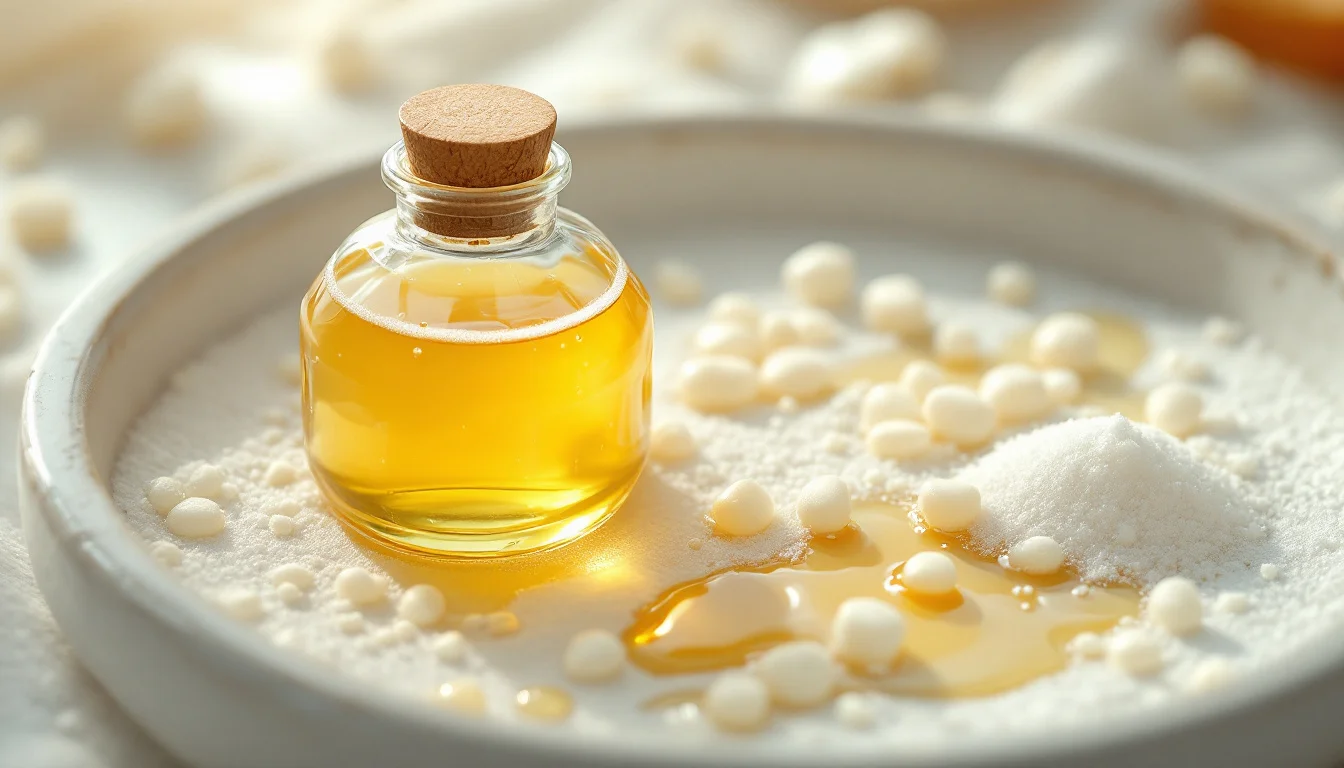
The Dead Sea Salt Foot Bath Ritual
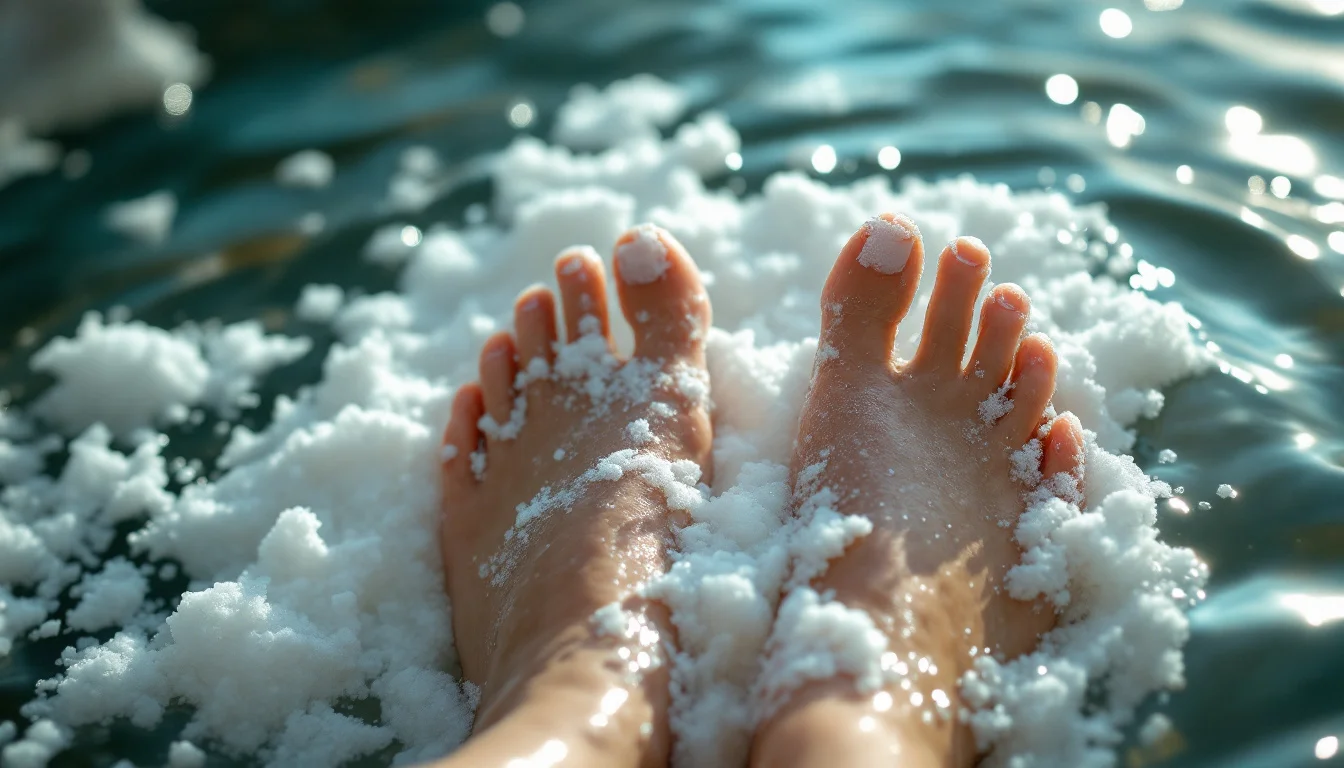
Dipping your feet into saltwater at dusk is a beautifully simple end-of-day ritual. Often relegated to a mere prep step before a pedicure, the foot bath takes on a whole new dimension when infused with minerals from the Levantine basin.
What exactly is Dead Sea salt? It is the salt harvested from this unique geological depression, a hypersaline body of water located in the Middle East.
Far from a standardized beauty product, this mineral carries millennia of symbolism. The treatment serves as a junction between a weary body and the heritage of a land shaped by cataclysms and ancient traditions of hospitality. The soak becomes a deliberate act of returning to the earth, transforming an ordinary basin of warm water into a deeply personal grounding tool.
Key takeaways
To fully grasp this mineral ritual, it helps to understand the elements that bridge the region's history with modern beauty practices:
- Earthly origins: The resource is harvested from an active seismic zone separating two tectonic plates.
- Cultural heritage: The salt crystalizes a long-standing tradition of hospitality and alliance shared by both Hebrew and Muslim cultures.
- Mechanical and osmotic action: The mechanical action of the crystals combined with the osmotic effects of the salt helps draw out surface impurities.
- Simple protocol: A 15 to 20-minute soak is traditionally recommended to encourage evening relaxation.
Why does Dead Sea salt come from a seismic fault?
The unique geography of this hypersaline lake is no accident. The formation of the Dead Sea basin is the result of activity along the Levant fault, also known as the Dead Sea Transform. According to the scientific journal Pour la Science, this geological fracture separates the Arabian Plate from the African Plate in a lateral sliding motion, with the former shifting north-northeast relative to the latter.
As a result, the entire basin sits in an active tectonic region, frequently shaken by earthquakes. This perpetual subterranean turmoil has carved out a fascinatingly rugged surface landscape, an otherworldly environment that has captured human imagination since antiquity.
An arid, fractured landscape
Over millennia, extreme evaporation has left its mark on the shores. The arid banks of the Dead Sea, particularly in the southern region, are littered with massive blocks of raw salt. It is against this backdrop that several modern extraction plants now harvest the mineral, as noted by the website InterBible. The frozen, saline appearance of the landscape stands in stark contrast to the seismic activity brewing just beneath the surface.
The biblical echo of cataclysms
The convergence of seismology and local mythology here is particularly striking. The Bible places the cities of Sodom and Gomorrah precisely south of the Dead Sea. The archaeological identification of these Canaanite cities remains a subject of debate, though researchers have studied several potential sites. The major seismic zone surrounding the Dead Sea, combined with the risk of explosions and fires linked to natural gas deposits beneath the water, may well have inspired the devastating cataclysms described in these foundational texts.
Similarly, the imposing salt formations scattered across the region likely provided direct inspiration for the famous tale of Lot's wife. The myth of this tragic figure, turned into a pillar of salt for looking back at the tectonic chaos, is deeply rooted in the very real geological formations lining the southern shores.
What does salt symbolize in Levantine history?
This mineral, born of geological fracture and associated with destruction in ancient myths, paradoxically carries an enduring symbolism of connection and safeguarding. Among Semitic-speaking populations in the Middle East and North Africa, hospitality is almost universally expressed through the offering and sharing of food.
As highlighted by the academic portal Persée, this gesture goes far beyond mere politeness: it can signify extended protection granted to a visitor, or even seal a true and lasting alliance between individuals.
A grounding force transcending borders
The importance of this element as a social and spiritual binder is deeply ingrained in the region's history. Both Hebrew and Muslim cultures share these powerful notions of hospitality, protection, and alliance intimately linked to salt. To share this mineral is to grant sacred asylum and neutralize the threats of the desert.
Offering hospitality to oneself
Translated into our modern lifestyles, this legacy of the covenant of salt sheds new light on our relaxation routines. The physiological need to ground oneself after a demanding day finds a direct echo in these protective traditions.
Preparing a basin to cleanse your feet becomes the intimate equivalent of ancient hospitality: a suspended moment where you offer yourself this age-old protection, erecting a temporary boundary between the outside chaos and your private sanctuary.
How does Dead Sea salt contribute to grounding?
Beyond the cosmetic benefits, the very posture of the body during this treatment follows a powerful symbolic logic. The act of resting one's feet on coarse salt is described as an ancient, almost archetypal practice. In this specific configuration, the salt acts as a mediator between the earth and the body.
It creates a physical bridge where humans make contact with the ground, facilitating a process of psychological rooting.
Creating a boundary
Using the raw mineral on the lower extremities also serves as a shield. In many traditions around the world, salt is used to draw a tangible boundary, acting as a protective net against "negative energies"—a purely symbolic interpretation not backed by scientific proof. Treading on these crystals allows you to symbolically shed the weight of the day before easing into nighttime rest.
Rebalancing personal energy
This idea of releasing tension explains why the term "purification" is so frequently used. Salt purification is not merely viewed as a skin cleanse. In certain esoteric approaches, it is presented as a holistic rebalancing, restoring a complex harmony between the skin, circulation, and what is described as an individual's personal frequency, though these are spiritual beliefs rather than proven scientific facts.
What are the real effects on heavy legs?
While the symbolism of protection is potent, the product also offers mechanical and superficial benefits. From a practical standpoint, the mechanical action of the crystals and the osmotic effects of the salt bath help draw out surface impurities from the epidermis, leaving an immediate sensation of freshness on the skin. It is often recommended to moisturize the skin if it feels tight after the soak.
Mineral claims
Salts extracted from the Dead Sea boast a remarkably high mineral content. In the cosmetic world, manufacturers often promote this specific composition as a way to hydrate and soften the skin, while helping to melt away accumulated tension and stress.
Soothing heavy legs
In practice, this salt is traditionally used in foot baths to enhance a moment of relaxation at the end of the day. This application is especially prized for relieving the sensation of heavy legs or temporary fatigue, as the warm saltwater promotes the relaxation of your extremities.
The limits of cosmetic claims
However, it is crucial to maintain a clear boundary between wellness rituals and therapeutic treatments. Using Dead Sea salt for a foot bath remains strictly a cosmetic practice, and no scientific evidence supports its so-called "energetic" benefits. Its relaxing properties should never replace medical advice if circulatory discomfort or heaviness persists.
How to prepare a Dead Sea salt foot bath
To fully reap the benefits of its absorbing and relaxing properties, consistency and proper proportions matter far more than sheer quantity. Traditionally, following a specific method ensures you get the absolute best out of this mineral soak.
Here are the key steps to this protocol:
- Prepare warm—not hot—water to avoid disrupting venous return.
- Dissolve 2 tablespoons of crystals in a basin (or 5 tablespoons if drawing a full bath).
- Soak your feet for 15 to 20 minutes to let the minerals work their magic.
- Remove your feet and gently pat them dry with a clean towel.
FAQ: Modern formats and uses
Can bath salt be scented?
The market has diversified significantly, blending raw minerals with aromatherapy. You can now find Dead Sea salts naturally fragranced with botanicals or essential oils, offering a sensory alternative to 100% raw salt.Can colored salt stain the skin or the basin?
When the color is plant-derived, it gradually fades as it dissolves in warm water, leaving no staining residue. However, the risk of stains depends entirely on the type of dyes used: it's always best to check the product's ingredients before use.Are there any contraindications?
Although entirely natural, this treatment is not recommended for open wounds or significant skin lesions, as the high salt concentration can cause a sharp burning sensation.Why is the foot bath ritual so soothing?
There is a poetic irony in the fact that one of the most unstable geological regions on the globe has birthed such a universally popular symbolic grounding tool. Taking the time to sit down, prepare the water, and submerge your feet will not magically cure chronic heaviness or everyday frenzy. Yet, in an era defined by constant mental overload, reclaiming these fifteen minutes to connect with the saline heritage of the Middle East becomes a deliberate act of deceleration, offering our minds a much-needed anchor.